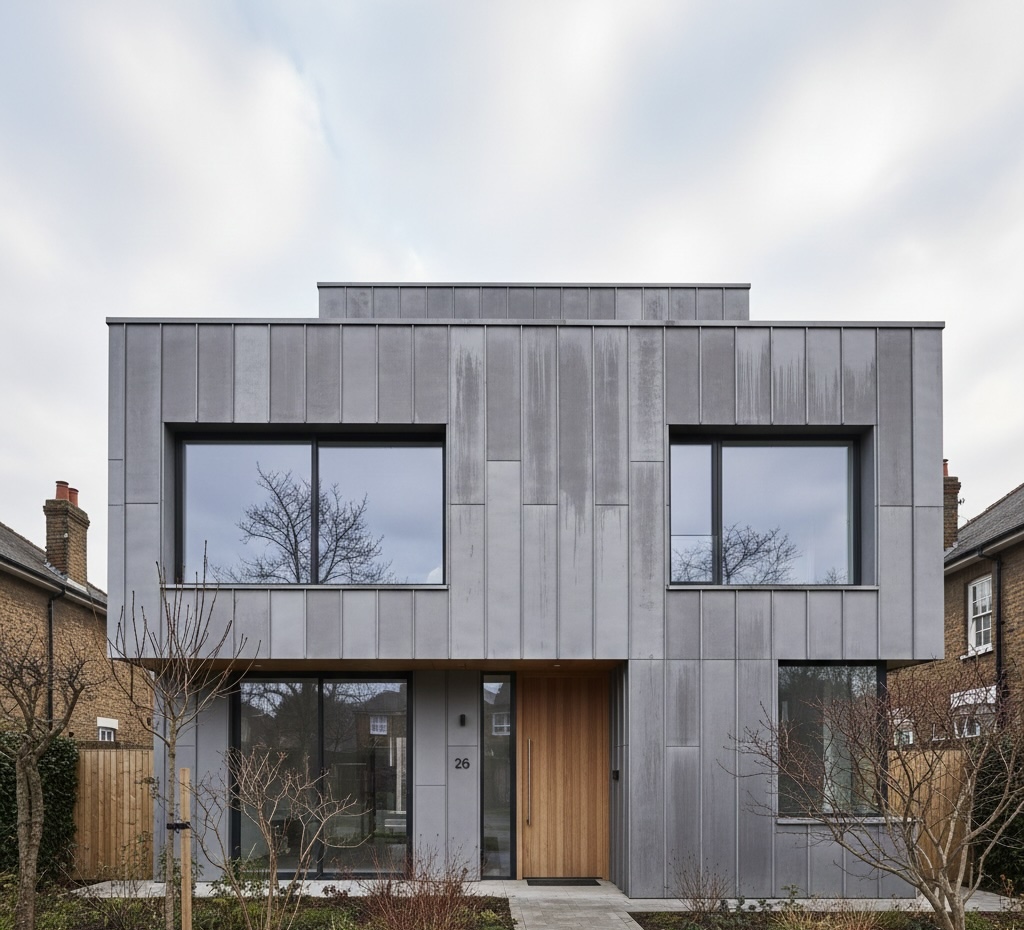
Metal Cladding
Now widely used on homes, offices, and commercial buildings because it combines visual appeal with long-lasting performance. With a variety of colours, finishes, and panel styles available, metal cladding makes it easy to match your building’s design and personality.
One of the key advantages of metal cladding is its exceptional durability. Materials such as aluminum, steel, zinc, and copper are naturally resistant to corrosion, fire, pests, and impact damage. This makes metal facade ideal for buildings exposed to extreme climates or heavy use. With proper installation and minimal maintenance, metal cladding systems can maintain their structural integrity and appearance for decades.
Metal cladding also contributes to improved energy efficiency. When combined with insulation and ventilation systems, it helps regulate internal temperatures by reducing heat gain in summer and heat loss in winter. Reflective metal surfaces can further enhance thermal performance, lowering energy consumption and supporting sustainable building practices. Many metal panel materials are also recyclable, adding to their environmental benefits.

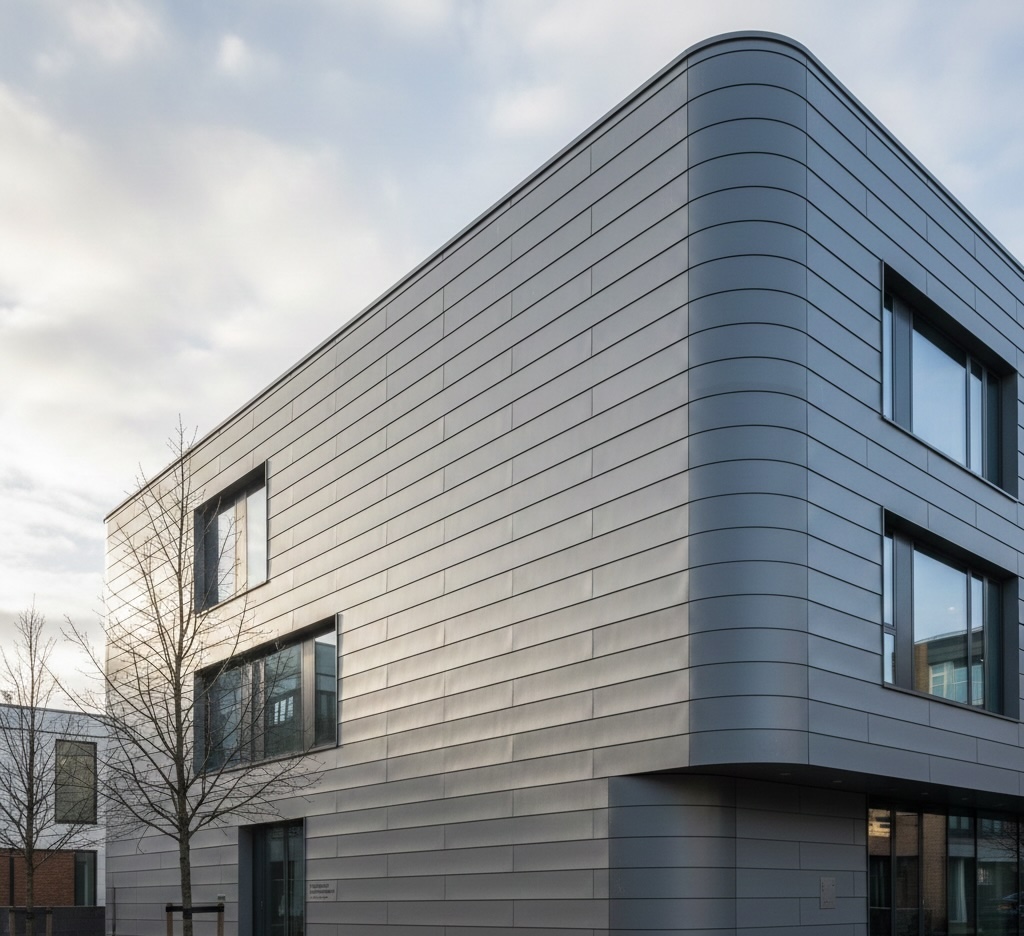
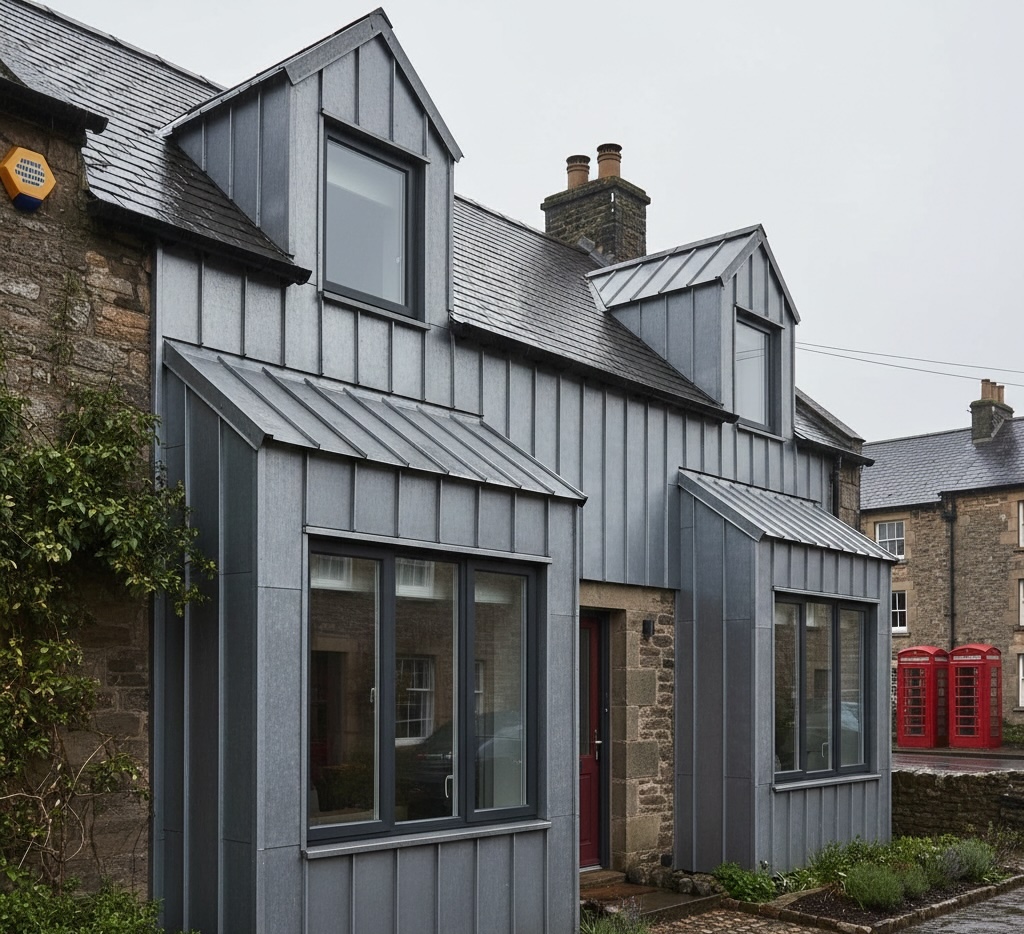
From a design perspective, metal cladding offers exceptional flexibility. Panels can be fabricated in various sizes, shapes, and textures, allowing architects to create dynamic facades, clean lines, or intricate patterns. Whether used as full exterior coverage or as an accent feature, metal cladding enhances architectural character and increases the perceived value of a building, especially when combined with metal roofing. Has become a popular choice for residential, agricultural and industrial projects.
Maintenance is another strong advantage of metal facade systems. Unlike traditional materials that may crack, warp, or fade over time, metal panels are easy to clean and require minimal upkeep. Protective coatings and modern finishes help preserve color and surface quality, ensuring the building retains its aesthetic appeal while reducing long-term maintenance costs.