
Roof carpentry
Whether it’s crafting custom roof frames for unique buildings or using pre-engineered trusses for large-scale projects, roof carpentry combines craftsmanship with technical expertise to ensure safety, performance, and long-term reliability.
Roof carpentry is an essential skill in the construction industry, focusing on the design, installation, and maintenance of roof structures. One of the key elements is the installation of bespoke roof frames. These custom-made frames are crafted to meet both functionality and aesthetic appeal. Roof carpenters carefully measure and construct these frames, considering factors like the building’s size, pitch, and intended use. Whether for residential homes or commercial buildings, bespoke frames provide a tailored solution that ensures durability and visual harmony with the overall architecture.
Another important aspect of roof carpentry is the process of cutting out roofs, which is cutting and fitting of roofing materials, including rafters, purlins, and joists, to create a stable and secure roof structure. Accurate cutting ensures that each component fits together seamlessly, providing strength and durability to the roof. Additionally, careful cutting ensures that there are no weak points in the structure, which is crucial for the safety and longevity of the roof.
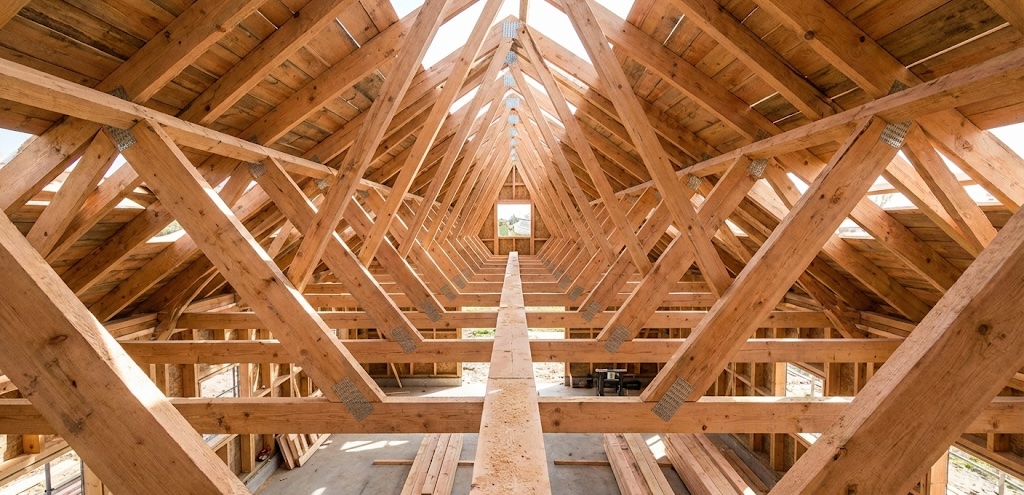
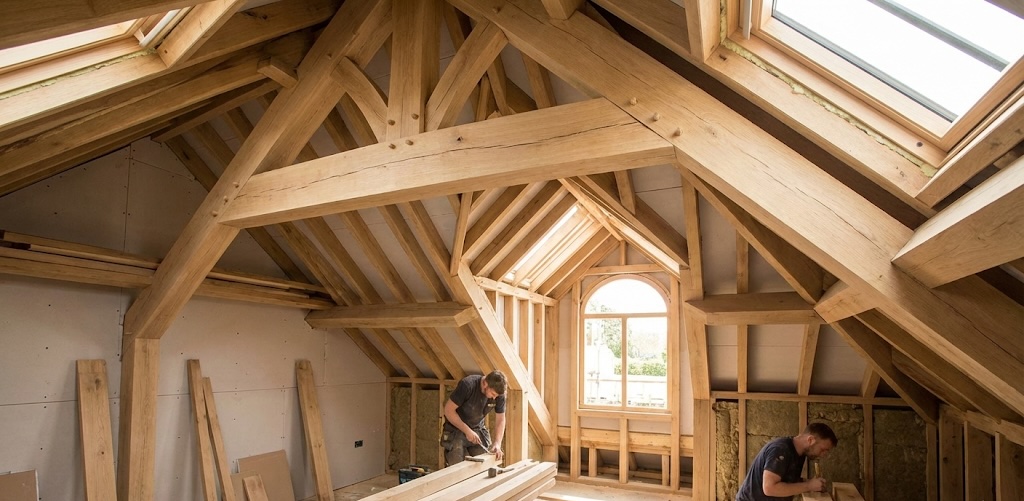
Traditional roofing techniques are still widely used in roof carpentry, especially in heritage and period properties. These methods rely on time-tested craftsmanship and materials, such as wooden beams, rafters, and slate or clay tiles. Roof carpenters skilled in these traditional methods bring years of experience to the table, ensuring that the roof not only performs its intended function but also maintains the aesthetic charm of the original design. These roofs are built to withstand the test of time, often lasting for decades, if not centuries.
In contrast, truss roofing is a more modern approach that relies on pre-fabricated triangular frames, or trusses, to support the roof structure. This type of roofing is often used in larger buildings, as the pre-engineered trusses can cover wide spans without the need for internal support beams. Trusses are especially beneficial for commercial or industrial buildings, where expansive roofs are required without compromising on structural integrity. Truss roofing is a cost-effective and efficient solution for many types of construction projects, including zinc, aluminium, copper roofs or metal cladding – reducing both material waste and labor costs.